

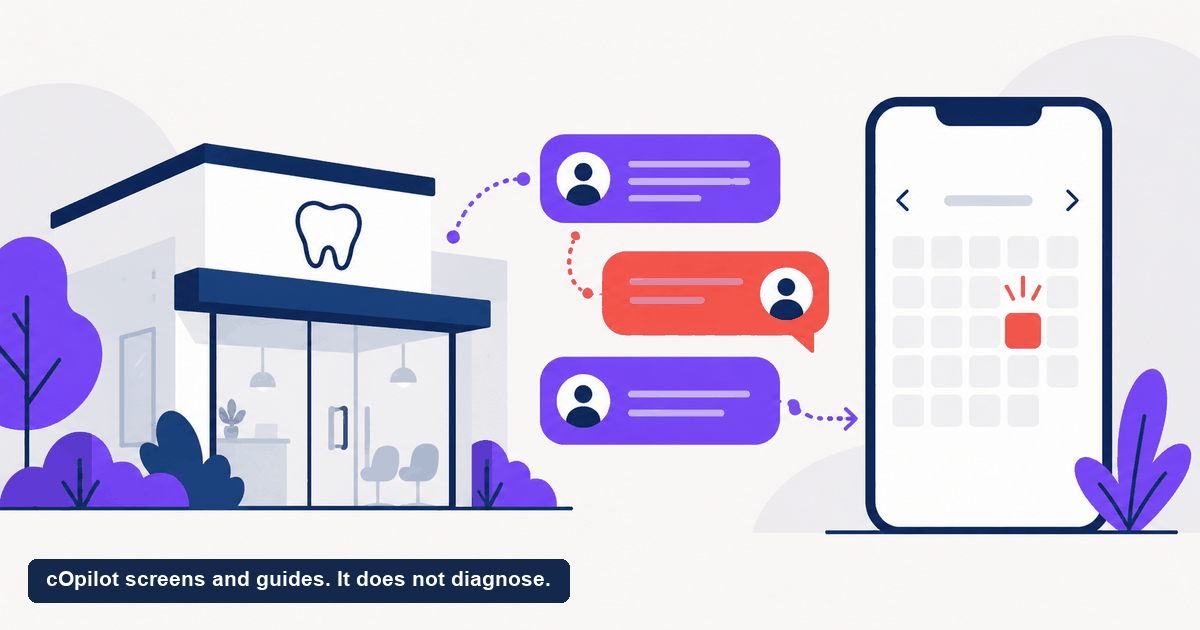
Your patients live in their text messages. Your front desk is stuck on the phone. That gap is where confirmations get missed, chairs sit empty, and recalls quietly age out. Learning how to text patients the right way closes that gap, but only if you get consent and privacy right first. This playbook walks a busy practice through compliant patient texting, from opt-in to reminders to recalls, so your dental patient communication actually reaches people without creating regulatory risk.
Quick note before we start. This is general best practice for practice operations, not legal advice. Rules vary by country and by state, and they change. Run your final messaging policy past your own compliance advisor or attorney.
Why does consent come first?
Texting patients without permission is the fastest way to turn a helpful tool into a complaint. In the US, text messaging to mobile numbers is governed by consent rules in the TCPA world, and healthcare messages have their own carve-outs. The safe operating principle is simple. Get clear, documented consent before you send.
Best practice looks like this:
- Ask at intake. Add a checkbox and a phone field to your new-patient form: “Yes, text me about appointments and reminders.” Capture the date and the exact wording they agreed to.
- Separate the buckets. Consent for appointment reminders is not the same as consent for marketing blasts. Keep them as distinct opt-ins so a patient can accept one and decline the other.
- Make opt-out effortless. Every program should honor “STOP” and note the opt-out immediately. One ignored opt-out can undo a lot of goodwill.
- Keep the record. Store who consented, when, through what channel, and to what. If a patient ever questions a message, the log is your answer.
Consent is not a one-time formality. It is the foundation the rest of your patient texting sits on.
What should never go in a plain text?
Here is where a lot of practices trip. SMS is convenient, but a standard text message is not a secure, encrypted channel by default. Under HIPAA, protected health information sent without appropriate safeguards is a problem, and “we were just confirming a cleaning” is not always the defense people assume it is.
A workable rule of thumb: keep plain SMS light on clinical detail.
- Safer to send: “Hi Sam, this is a reminder about your visit on Tuesday at 2pm. Reply C to confirm or call us to reschedule.”
- Riskier to send in plain SMS: diagnoses, treatment specifics, procedure names tied to the patient, financial or insurance detail, or anything that reveals a condition.
Two more safeguards worth building in. First, tell patients during opt-in that standard text messages are not fully secure, so they can choose what they are comfortable receiving. Second, when a conversation needs real clinical or account detail, move it to a secure portal, a patient app, or a phone call rather than continuing over open SMS. If your messaging platform offers encryption, access controls, and audit logging, use them, and confirm a Business Associate Agreement is in place with any vendor that touches patient data. Outside the US, the same instinct maps to GDPR in the UK and EU and to local health-data rules elsewhere. Collect less, protect what you collect, and let the patient stay in control.
Safe in a plain text
- The date and time of an appointment
- A reminder to arrive or to confirm
- A link to a secure portal or form
Never in a plain text
- Treatment details or clinical findings
- Anything identifying a condition
- Account balances tied to treatment
Which texting use cases actually move the needle?
Once consent and privacy are handled, patient texting earns its keep on a short list of high-value jobs. You do not need clever campaigns. You need the boring stuff done reliably.
Appointment reminders. The workhorse. A well-timed reminder cuts no-shows and saves your team a stack of outbound calls. A common cadence is one reminder a few days out and one the day before, though you should test what fits your patients.
Confirmations. Let people confirm with a single reply instead of a phone tag loop. A confirmed schedule tells your team where the real gaps are, early enough to fill them.
Recalls and reactivation. This is the quiet revenue leak. Patients overdue for a hygiene visit often just forgot. A short, friendly recall text (“You are due for a cleaning, want us to find you a time?”) reopens the conversation without a single call.
Logistics and forms. Parking notes, running-late alerts, a link to paperwork before the visit. Small touches that make the practice feel organized.
Keep marketing separate and infrequent, and only to patients who opted into it. Reminders and recalls are welcome. A weekly promo is how you earn “STOP.”
How do you keep texting human and compliant?
The practices that do this well follow a few consistent habits:
- Identify yourself every time. Lead with the practice name. An unlabeled text from an unknown number gets ignored or reported.
- Keep it short and one-topic. One message, one ask. Long paragraphs do not belong in SMS.
- Mind the timing. No 6am or 10pm reminders. Sensible daytime windows only, adjusted to the patient’s time zone.
- Give a human exit. Always offer a way to reach a real person. Texting should shorten the path to your team, not wall it off.
- Do not over-text. Frequency fatigue is real. Reminders, confirmations, recalls, done.
- Log the thread. Every message tied to the patient record keeps your team coordinated and your compliance trail intact.
- Review your templates. Have a compliance-minded person sign off on your standard messages once, then reuse them with confidence.
For the bigger picture on how automated front-desk communication fits a modern practice, see our guide to the AI receptionist for dentists.
How does cOpilot cover the website front desk?
Texting is one channel. Your website is another, and it is often where patients start looking before they ever save your number. That is where cOpilot fits, and it is worth being precise about what it is. cOpilot is a website chat front desk, not an SMS or texting tool. It does not send outbound texts, reminders, or confirmations.
What it does is answer. cOpilot greets every website visitor 24/7, replies from your clinic’s own knowledge base, and books new appointments straight into your calendar. After hours it keeps going, routing an urgent question to your clinic phone line instead of leaving it unanswered. Every chat and booking lands in your Engage lead dashboard, so a conversation that starts online does not vanish.
Visitors can also run a quick in-chat oral-health scan. It is built for engagement and triage, not diagnosis, and it does not replace an in-person dental exam. Think of it as a way to open a conversation and point the patient toward the right next step.
On compliance, cOpilot is HIPAA-aligned, GDPR-compliant, and ABDM-aligned in India, and patient data never trains AI models.
Want your website answering while the phones are busy? Try cOpilot free for 15 days, extendable to 30, or book a demo at copilot.scanoai.com.
FAQ
Do I need patient consent before I text them? Yes. Best practice is to collect clear, documented opt-in before sending any texts, and to keep reminder consent separate from marketing consent. Always honor opt-out requests like “STOP” immediately. Rules differ by region, so confirm your policy with a compliance advisor.
Is it HIPAA-compliant to text appointment reminders? Appointment reminders can be sent by text when you keep protected health information out of plain SMS and have the right safeguards and agreements in place. Avoid putting diagnoses, treatment detail, or anything that reveals a condition into an open text message. Move clinical detail to a secure channel.
What should a dental appointment reminder text say? Keep it short and low on clinical detail. Identify the practice, state the date and time, and give a simple way to confirm or reschedule. Example: “Hi Sam, reminder from Bright Dental about your visit Tue 2pm. Reply C to confirm.”
How often should I text patients? Sparingly. Reminders, confirmations, and recalls are welcome. Marketing should be infrequent and only to patients who opted in. Over-texting is the fastest route to opt-outs.
Can cOpilot text or message patients for me? No. cOpilot is a website chat front desk, not an SMS or texting tool, so it does not send outbound texts, reminders, or confirmations. What it does is greet visitors on your site 24/7, answer their questions from your knowledge base, and book new appointments into your calendar, with every chat and booking captured in your Engage dashboard. For patient texting, pair it with a dedicated SMS platform.