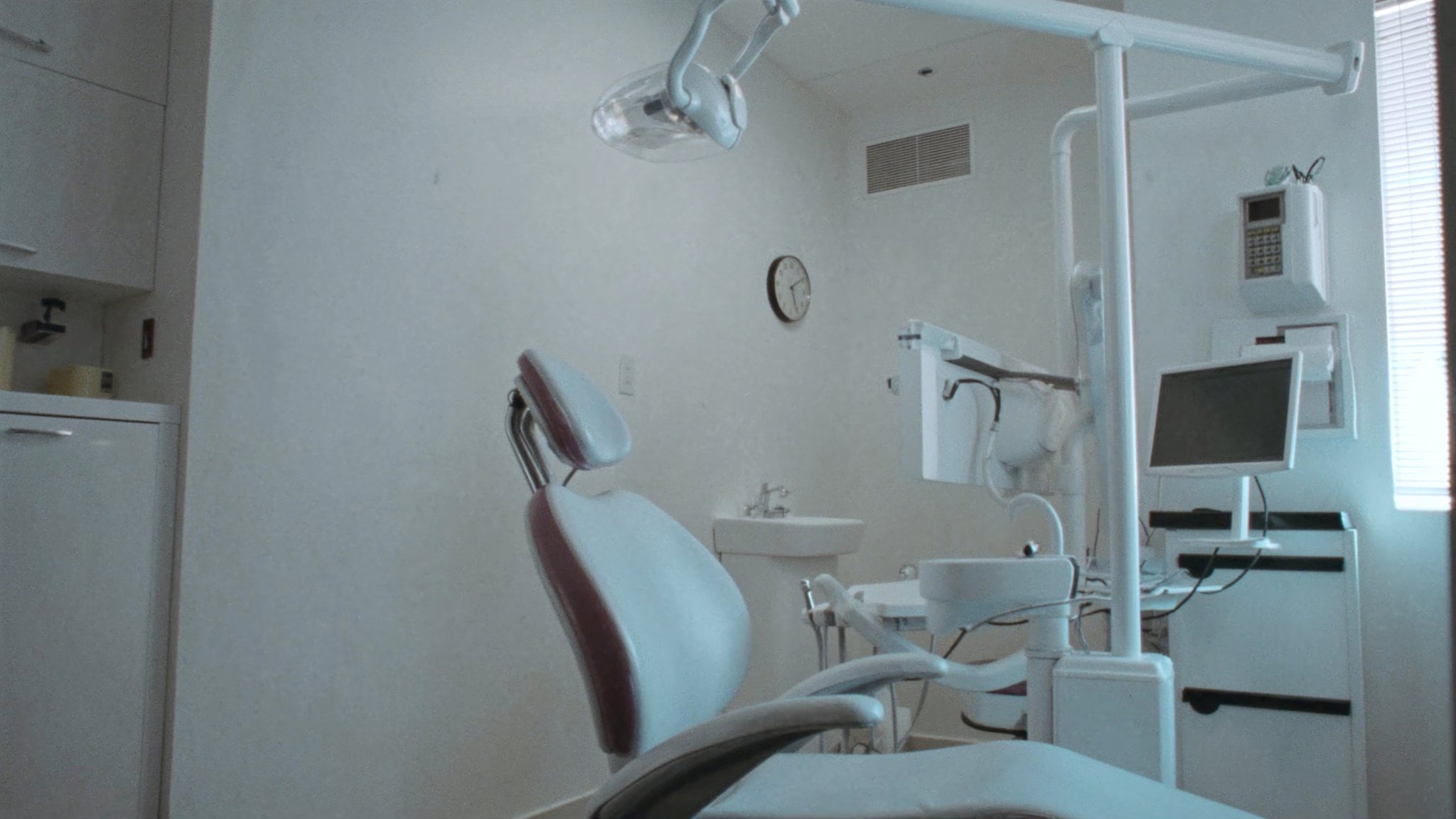
If empty chairs keep showing up on your schedule, you already know the drill: a hygienist with nothing to do at 2pm, a dentist’s morning that never fills back in, a patient who “meant to call.” Learning how to reduce dental no-shows is one of the highest-leverage things a front desk can fix, because most no-shows are not bad patients, they are a system with no room to catch a change of plans. Here are 9 strategies that actually work, plus where AI can carry some of the load 24/7.
Why dental no-shows keep happening (and what they cost you)
A no-show is rarely about a patient not caring. It is friction: the reminder did not land, rescheduling meant a phone call, or the visit never felt urgent enough to protect. Remove any one of those frictions and a chunk of no-shows disappear on their own.
The scale is bigger than most practices assume. According to Curogram’s practice management data, the average U.S. dental practice runs a no-show rate of 15 to 20 percent, meaning roughly one in six or seven scheduled visits never happens. Every one of those slots is a provider paid to sit idle and a patient who just fell further behind on care they already agreed they needed.
No-shows rarely show up alone. A practice with a scheduling and communication gap tends to lose patients before the visit and before the call ever gets answered. If that sounds familiar, it is worth also reading how the cost of missed calls at a dental practice adds up, since the fixes overlap more than you would expect.
9 strategies to reduce dental no-shows before they happen
The cheapest place to stop a no-show is before the patient has mentally checked out of the appointment. These four strategies work on the communication layer, where most no-shows are actually decided.
1. Send automated, multi-channel reminders and confirmations
One reminder on one channel is not enough. Build a sequence: a text or email a week out, a text 2 to 3 days out, and a final text the day before. Use at least two channels, since patients check text and email at different times and some barely read email at all.
Even a basic automated reminder moves the number. In a randomized study of more than 9,800 patients published in The American Journal of Medicine, patients who got no reminder missed 23.1 percent of appointments, compared with 17.3 percent for those sent a standard automated reminder, a real drop with no extra staff time spent.
2. Make confirming or rescheduling one tap, not one phone call
Every extra step between “I need to change this” and “done” is a chance for a patient to give up and just not show. A reminder that requires calling back during business hours competes with their workday and usually loses. Build reminders around a one-tap confirm, or a one-tap link into online dental appointment booking so patients can move themselves into another open slot. Give someone a 15-second way to reschedule and they will use it instead of doing nothing.
3. Turn on two-way texting for your front desk
Reminders are one-directional by default. Two-way texting lets a patient reply “can we push to Thursday” instead of ignoring a message because calling felt like too much effort. Route replies to a shared inbox someone actually monitors, and answer the same business day so patients trust the channel enough to use it instead of quietly no-showing.
4. Educate patients before the visit so they understand why it matters
A patient who sees a visit as “just a cleaning” skips it more easily than one who understands why it was scheduled. Use your reminder copy to say why the visit matters: “your follow-up for the filling on tooth 14” reads differently than “your appointment.” For treatment-plan visits, a short note on what to expect and why the timing matters raises perceived urgency and lowers the odds someone treats the date as flexible.
Build a scheduling system that absorbs the no-shows you can’t prevent
Even a strong reminder sequence will not get you to zero. This half of the playbook is about a system that costs you less when a no-show still happens.
5. Run a smart waitlist that fills gaps automatically
A cancellation three hours out is only a lost hour if nobody else knows the slot opened. Keep a running waitlist of patients wanting an earlier date, and notify them automatically the moment a slot frees up, first response wins. The faster the notice goes out, the more likely you fill the gap same day instead of writing it off.
6. Set a clear cancellation and deposit policy, and enforce it every time
A policy patients do not know about does not change behavior. State your cancellation window (24 or 48 hours is common) on the booking confirmation, your website, and your reminder texts, not just a waiting-room sign. For repeat no-show patients, or high-value blocks like new-patient exams, a modest deposit or card-on-file filters out low-intent bookings without turning away patients who genuinely intend to come. Apply it consistently. A policy enforced selectively just teaches patients to test it.
7. Fix the scheduling patterns that create no-shows
Some no-shows are baked into how you book, not how you remind. Long gaps between booking and the appointment date raise risk, so book higher-risk patients (new patients, teens, anyone with a prior no-show) sooner rather than six weeks out. Avoid stacking your riskiest slots back to back without a buffer, and keep a short list of quick-fill procedures ready for any gap that opens.
8. Build proactive recall into your calendar, not your memory
Patient recall, rebooking a hygiene patient every six months without waiting for them to call, does double duty against no-shows. A patient who hears from your practice between visits and confirms ahead of time is far less likely to blow off the visit they agreed to. Automate recall the same way you automate reminders, rather than leaving it to someone remembering to run a report.
9. Remove friction from rebooking after a cancellation
When a patient cancels or no-shows, the next 60 seconds decide whether you keep them or lose them to inertia. Do not let “we’ll call to reschedule” become a task nobody gets to. Send an immediate rebooking link in the same text thread, ideally one showing real open slots instead of “call the office,” so the patient can fix it before they forget it needs fixing at all. This is the same dental front desk automation logic that keeps calls and chats from falling through the cracks.
How 24/7 AI reduces no-shows without adding to your front desk’s workload
Most of the 9 strategies above share one requirement: they only work if they run all the time, including nights, weekends, and the 20 minutes your front desk is on another call. That is where AI earns its place, not replacing the fundamentals above, but as the always-on layer that executes them.
scanO cOpilot, an AI front desk built for dental clinics, handles the parts of this playbook that are easiest to let slip:
- Confirmations and reminders around the clock. Patients confirm or ask to reschedule at 9pm from the couch instead of waiting for office hours, or forgetting by the time you open.
- Self-serve rescheduling in the same conversation. cOpilot reads the clinic’s real calendar availability and rebooks a patient directly in chat, no staff involvement and no back-and-forth over open slots.
- Waitlist backfill the moment a slot opens. When a cancellation comes in, cOpilot can work through waitlisted patients and fill the gap without someone manually calling down a list.
Every one of those conversations, along with any in-chat scan or booking details, lands in a lead dashboard (scanO engage) with full context, so your team sees exactly why a patient rescheduled instead of guessing. cOpilot is not a diagnostic tool. It is a front-desk layer that keeps the reminder-confirm-rebook loop running even when your team is closed, asleep, or slammed on the phones.
Frequently Asked Questions
How do I calculate my dental practice’s no-show rate?
Divide no-show appointments in a period by total scheduled appointments in that period, then multiply by 100. Fifteen no-shows out of 200 scheduled appointments is a 7.5 percent no-show rate. Track it monthly and by appointment type, since new patients and long-lead-time bookings tend to no-show more often than established patients coming in for routine hygiene.
What is a normal no-show rate for a dental practice?
Most U.S. dental practices report a no-show rate of 15 to 20 percent, according to Curogram. Well-run practices with active reminders, a clear cancellation policy, and a real recall system typically bring that into the single digits. A rate above 20 percent is a signal to audit reminder timing, policy, and scheduling patterns, not a signal to just call more patients yourself.
Should I charge a no-show fee?
A no-show fee can work, but only if patients know about it in advance and you apply it consistently. Put the policy in writing at booking, on reminders, and on your website, and decide upfront whether you will waive it for a genuine first-time or emergency. A fee sprung on a patient with no prior notice creates friction with your best patients while barely denting the true repeat no-shows.
Do text reminders work better than phone calls?
Text reminders are faster to send, cheaper at scale, and easier for patients to act on with one tap, which is why most practices lean on text as the default. Research on outpatient reminder systems has found that a live staff phone call outperformed a standard automated reminder at reducing no-shows, but calling every patient is not realistic at scale for most front desks. The practical answer is layered: automated text for everyone, with a live call reserved for higher-risk visits like new patients or same-week treatment.
Can AI really reduce no-shows, or is that just automation with extra steps?
AI adds two things basic automation cannot: it holds an actual back-and-forth instead of a one-way blast, and it is available at 2am on a Saturday, not just during office hours. A scheduled text cannot rebook a patient who wants Thursday instead of Tuesday. An AI front desk like scanO cOpilot can read the calendar and do that inside the same conversation, which closes the loop instead of just flagging a problem.
You do not need to overhaul your whole schedule this week. The fastest way to reduce dental no-shows is to combine automated reminders, one-tap rescheduling, a clear cancellation policy, and an always-on layer that covers what your front desk can’t cover 24/7. Start your 14-day free trial of scanO cOpilot, no credit card required, live on your website in about 10 minutes.
Leave a Reply